
Published: March 2026 | Reading Time: 10 minutes

Introduction: Where Lake, Mountain & Water Town Converge
Nestled on the southwestern shore of Taihu Lake (太湖) — China’s third-largest freshwater lake — and bordered by the lush mountains of Anji to the west, Huzhou (湖州) is one of Zhejiang Province’s most elegant and diverse destinations. Just 1 hour from Hangzhou and 2 hours from Shanghai, this ancient city of 2,300 years offers a remarkable trio of experiences: the grandeur of Taihu Lake, the bamboo-covered peaks of Mogan Mountain, and the refined beauty of Nanxun Water Town.
Huzhou has long been a favorite retreat for China’s literati and elite. During the Tang Dynasty, the city was renowned for its brush-making artisans (Huzhou writing brushes are still considered China’s finest). In the early 20th century, Mogan Mountain became the summer playground of Shanghai’s foreign community, who built elegant villas among the bamboo forests. Today, Huzhou continues to attract those seeking natural beauty, cultural depth, and a slower pace of life — all within easy reach of China’s busiest cities.
Quick Facts:
📍 Location: Northern Zhejiang Province, on the southwestern shore of Taihu Lake
🌊 Taihu Lake: China’s third-largest freshwater lake (2,250 km²)
🏛️ Famous For: Mogan Mountain, Nanxun Water Town, Anji Bamboo Sea, Taihu Lake, Huzhou writing brushes
🎫 Entry: Mogan Mountain ¥80; Nanxun free (individual buildings ¥5-30); Anji Bamboo Sea ¥80; Taihu area free
⏰ Best Time: March-May (spring) and September-November (autumn)
🚄 High-Speed Rail: 1h 20m from Hangzhou, 2h 15m from Shanghai, 1h 15m from Nanjing
📜 Why Huzhou? A Destination of Three Worlds
Huzhou offers an unusually diverse range of experiences for a single city. Here’s what makes it special:
- Mogan Mountain (莫干山): One of China’s “Four Great Summer Resorts,” famous for its cool mountain air, bamboo forests, and collection of over 200 historic European-style villas
- Nanxun Water Town (南浔古镇): The wealthiest and most architecturally refined of all Jiangnan water towns — a stunning blend of Chinese and Western architecture
- Anji Bamboo Sea (安吉竹海): The filming location of Crouching Tiger, Hidden Dragon — endless bamboo forests stretching to the horizon
- Taihu Lake (太湖): China’s third-largest freshwater lake, famous for its misty horizons, fresh fish, and the iconic Moon Hotel
- Huzhou Writing Brushes (湖笔): China’s finest writing brushes, made here for over 1,500 years — an essential tool for Chinese calligraphy
- Birthplace of Silk Culture: Huzhou has been a center of silk production for millennia, and silk culture remains visible throughout the region
🏛️ Top Attractions & What to See
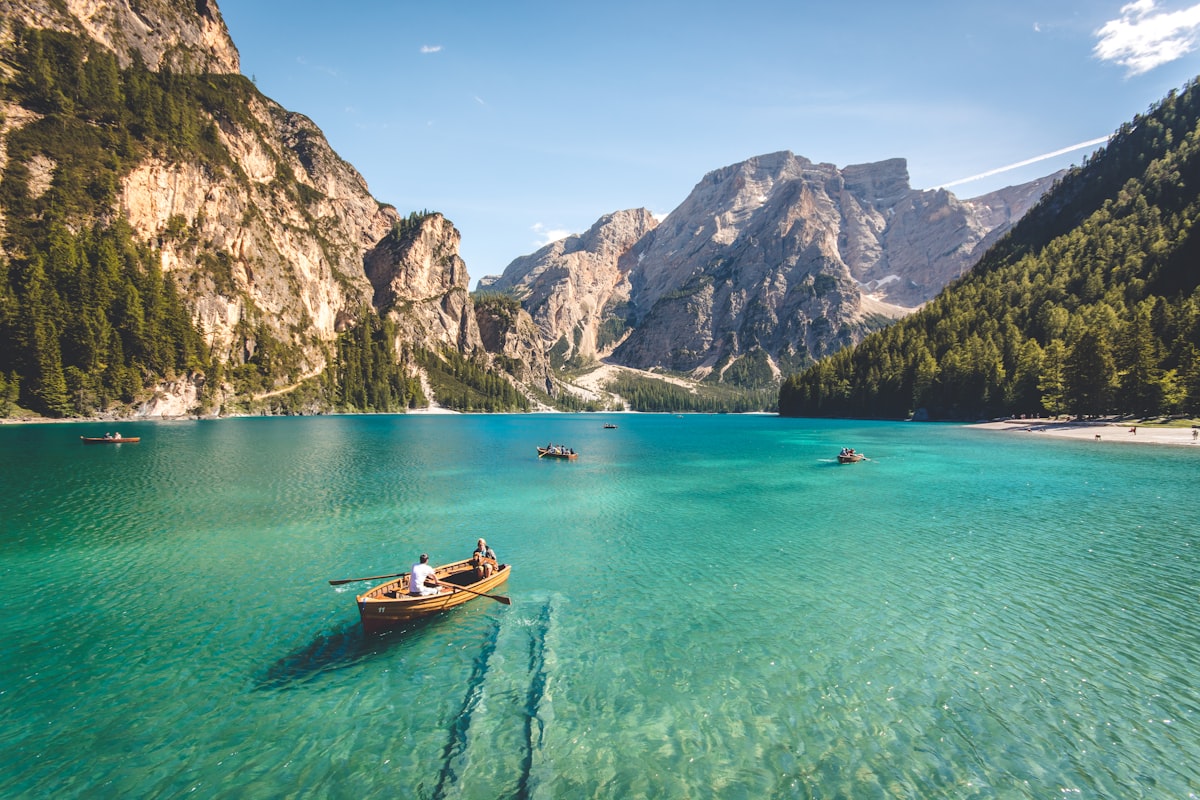
1. Mogan Mountain (莫干山) — China’s Premier Mountain Retreat ⭐ Must-Visit
Mogan Mountain is Huzhou’s crown jewel and one of China’s most beloved mountain destinations. Rising to 724 meters, this lush mountain has been a summer retreat since the late Qing Dynasty, when foreign diplomats, businessmen, and missionaries from Shanghai built over 200 European-style villas among its bamboo forests and misty peaks.
Today, Mogan Mountain offers a perfect blend of natural beauty, historical architecture, and modern luxury. The mountain is covered in dense bamboo forests, ancient trees, and cascading waterfalls, with average summer temperatures 6-7°C cooler than the plains below.
Key highlights include:
- Villa District: Over 200 historic villas in styles ranging from Gothic and Romanesque to Art Deco and Chinese traditional. Many have been converted into boutique hotels and guesthouses. Notable villas include the former residence of Chiang Kai-shek and Song Meiling’s honeymoon retreat.
- Sword Pool (剑池): A scenic gorge with a waterfall and pools, where legend says the legendary swordsmith Ou Yezi forged his famous blades
- Bamboo Forest Trails: Extensive hiking trails through towering bamboo groves — the rustling of bamboo in the wind is one of China’s most iconic natural sounds
- Mogan Mountain Ancient Village: A charming village with traditional architecture, tea houses, and local craft shops
- Lu Jiashan Scenic Area: Panoramic viewpoints and additional hiking trails on the mountain’s western slopes
Entry: ¥80 (peak season) / ¥50 (off-season); villa tours extra
Time Needed: 1-2 days
Tip: Stay overnight in a converted villa — waking up in the bamboo mist is an unforgettable experience. Book well in advance for summer weekends
2. Nanxun Water Town (南浔古镇) — The Richest Water Town in China
While Zhouzhuang and Wuzhen get the crowds, Nanxun quietly outshines them all. This 700-year-old water town was historically the wealthiest in the Jiangnan region, thanks to its successful silk merchants who amassed fortunes in the late Qing Dynasty and early Republican era. Unlike other water towns, Nanxun’s wealthy merchants incorporated Western architectural elements into their grand estates, creating a unique fusion of Chinese and European design.
Key attractions include:
- Baijian Building (百间楼): A 400-meter-long riverside complex of over 100 connected traditional houses, originally built in the Ming Dynasty. This is Nanxun’s most iconic scene — white-walled buildings with dark tile roofs reflected in the canal.
- Little Lotus Manor (小莲庄): A magnificent Qing Dynasty estate featuring lotus ponds, rock gardens, ancestral halls, and an octagonal pavilion. One of the most beautiful classical gardens in southern China.
- Jiaye Library (嘉业堂): China’s largest private library, built in 1920 by silk merchant Liu Chenggan. The library once housed over 200,000 rare books and manuscripts.
- Liu’s Grand Courtyard (刘氏梯号): A stunning blend of Chinese courtyard architecture and Western decorative elements — red brick walls, arched windows, and European fireplaces alongside traditional Chinese carvings.
- Zhang Shiming’s Former Residence (张石铭旧宅): The most lavish mansion in Nanxun, featuring French stained glass, Roman columns, and Chinese wood carvings under one roof.
Entry: The town itself is free to enter; individual historic buildings ¥5-30 each; full ticket ¥100
Time Needed: Half to full day
Tip: Stay overnight in Nanxun — after the day-trippers leave, the town becomes magical in the evening light
3. Anji Bamboo Sea (安吉竹海) — Where Crouching Tigers Hide
Located in Huzhou’s Anji County, the China Bamboo Sea (中国大竹海) is a vast bamboo forest covering over 667 hectares of rolling hills. This was the primary filming location for the bamboo forest fight scenes in Ang Lee’s Oscar-winning film Crouching Tiger, Hidden Dragon — and when you stand among the towering bamboo stalks, you’ll immediately understand why.
The bamboo forest creates an otherworldly atmosphere — sunlight filters through the dense canopy casting dancing shadows on the forest floor, and the gentle swaying of bamboo in the wind creates a soothing, meditative sound. Viewing platforms at the top of the hills offer panoramic views of an endless green bamboo landscape stretching to the horizon.
Anji County is also home to the China Bamboo Museum — the world’s largest bamboo museum — showcasing the incredible variety of bamboo species and their uses in Chinese culture.
Entry: Bamboo Sea ¥80; Bamboo Museum ¥40
Time Needed: 2-3 hours
Tip: Visit early morning or late afternoon for the most atmospheric light filtering through the bamboo
4. Taihu Lake (太湖) — China’s Great Lake
Huzhou sits on the southwestern shore of Taihu Lake, one of China’s most iconic bodies of water. The lake’s vast expanse (2,250 km²) creates stunning scenery, especially at sunrise and sunset when mist rolls across the water and fishing boats dot the horizon.
Key spots along Huzhou’s Taihu shoreline include:
- The Moon Hotel (月亮酒店): Huzhou’s iconic landmark — a striking horseshoe-shaped luxury hotel (Sheraton Huzhou Taihu Hot Spring Resort) that rises from the lake on an artificial island. Illuminated at night, it’s one of the most photographed buildings in Zhejiang.
- Taihu Lake Tourist Resort: A scenic area with walking paths, gardens, and viewing platforms along the lakeshore
- Fishing Villages: Traditional fishing communities along the lake’s edge, offering a glimpse into the traditional Taihu way of life
- Taihu Lake Boat Tours: Boat excursions offering views of the lake’s islands, fishing fleets, and misty horizons
Entry: Lakeshore areas free; boat tours ¥50-100
Time Needed: 2-3 hours
Tip: The Moon Hotel is most spectacular at night — take an evening stroll along the lakeshore promenade
5. Feiying Pagoda (飞英塔) — The Tower Within a Tower
One of Huzhou’s most unusual architectural treasures, the Feiying Pagoda is a unique “pagoda within a pagoda” structure. Built during the Tang Dynasty, the inner pagoda (dating to 865 AD) is enclosed within a larger outer pagoda built during the Song Dynasty. This rare architectural arrangement makes it one of the most distinctive pagodas in China.
Entry: Free
Time Needed: 30 minutes
Tip: Located in Feiying Park in the city center — easy to combine with a city walk
6. Huzhou Writing Brush Museum (中国湖笔博物馆)
Huzhou has been the center of Chinese writing brush production for over 1,500 years. The Huzhou Writing Brush Museum showcases the history, craftsmanship, and cultural significance of these instruments, which are considered one of the “Four Treasures of the Study” in Chinese culture. You can watch artisans at work and purchase authentic Huzhou brushes as souvenirs.
Entry: Free
Time Needed: 1 hour
Tip: A genuine Huzhou brush makes an excellent and meaningful souvenir
7. Changxing Ancient Ginkgo Corridor (长兴古银杏长廊)
In Huzhou’s Changxing County, a 12.5-km corridor is lined with over 30,000 ancient ginkgo trees, some over 1,000 years old. In late November and early December, the corridor transforms into a golden tunnel of breathtaking beauty — one of the most spectacular autumn scenes in all of China.
Entry: Free
Time Needed: 2-3 hours
Tip: Visit in late November for peak golden foliage — check local reports for the best timing
🍽️ Food & Dining — Huzhou’s Refined Flavors
Huzhou cuisine belongs to the Zhejiang culinary tradition, known for its freshness, delicacy, and natural flavors. The city’s location between Taihu Lake and the mountains gives it access to both exceptional freshwater ingredients and mountain delicacies.
Must-Try Dishes
1. Taihu Lake White Fish (太湖白鱼)
The most famous dish from Taihu Lake. This delicate, silver-scaled fish is prized for its tender, sweet flesh. Steamed with ginger and scallions, it’s a masterpiece of simplicity — the quality of the fish speaks for itself.
2. Taihu Lake White Shrimp (太湖白虾)
Small, translucent shrimp from Taihu Lake with a naturally sweet flavor. Typically quick-boiled and served with a light soy dipping sauce. One of the “Three Whites of Taihu” (太湖三白).
3. Taihu Lake Whitebait (太湖银鱼)
Tiny, delicate fish that are practically transparent. Usually served in an egg omelette or in soup. The third of the “Three Whites of Taihu.”
4. Nanxun Steamed Meat with Bamboo Shoots (南浔绣花锦)
A local green vegetable unique to the Nanxun area, with a delicate, slightly sweet flavor. Often stir-fried with garlic or served in soup.
5. Huzhou Braised Lamb (湖羊)
Huzhou is famous for its local breed of sheep (湖羊). Slow-braised with soy sauce, rock sugar, ginger, and star anise, the meat is incredibly tender and rich — a winter specialty.
6. Bamboo Shoot Dishes (笋菜系列)
Anji County is famous for its bamboo shoots. From fresh winter shoots braised with pork to spring shoots stir-fried with local greens, bamboo is a cornerstone of Huzhou cuisine.
7. Nanxun Double-Skin Milk (双皮奶)
A creamy, silky milk pudding that’s a popular dessert in the Nanxun area — smooth, sweet, and refreshing.
Where to Eat
Nanxun Water Town Restaurants:
Traditional Huzhou cuisine along the canals — Taihu fish, local vegetables, and water town specialties. | ¥60-120/person
Mogan Mountain Farmhouse Restaurants:
Mountain-style cuisine featuring bamboo shoots, free-range chicken, and wild vegetables. | ¥50-100/person
Taihu Lake Fish Restaurants (太湖渔庄):
The best place for Taihu’s “Three Whites” — fresh-caught fish, shrimp, and whitebait. | ¥80-200/person
Huzhou City Center:
Modern restaurants serving both traditional Huzhou cuisine and general Chinese fare. | ¥50-150/person
📸 Photography Tips
- ✅ Baijian Building, Nanxun: The 400-meter riverside house complex at dawn — misty canals and traditional architecture
- ✅ Mogan Mountain villas: European architecture amid bamboo forests — especially atmospheric in morning mist
- ✅ Anji Bamboo Sea: Sunlight filtering through bamboo canopy — best in early morning
- ✅ Moon Hotel at night: The illuminated horseshoe-shaped hotel reflected in Taihu Lake
- ✅ Taihu Lake sunset: Fishing boats silhouetted against the golden horizon
- ✅ Changxing Ginkgo Corridor: Golden tunnel of ancient ginkgo trees in late November
- ✅ Nanxun estate gardens: Lotus ponds, rock gardens, and architectural details
- ✅ Feiying Pagoda: The unique “tower within a tower” structure
- ❌ Avoid: Midday harsh light; weekends at Nanxun for crowd-free canal shots
🚄 Getting There
By High-Speed Rail (Recommended):
- From Hangzhou: 1h 20m, ¥60-80, frequent departures
- From Shanghai: 2h 15m, ¥100-140, multiple daily trains
- From Nanjing: 1h 15m, ¥60-80
- From Suzhou: 1h 30m, ¥60-80
- From Wuxi: 1 hour, ¥40-60
- Station: Huzhou Station (main) — also Deqing Station for Mogan Mountain access
By Car:
- From Hangzhou: 1 hour via highway
- From Shanghai: 2 hours via highway
- From Nanjing: 2 hours via highway
- From Suzhou: 1.5 hours via highway
By Air:
- Hangzhou Xiaoshan Airport (HGH): 1.5 hours by car — the nearest major airport
- Shanghai Hongqiao (SHA): 2 hours by car
Getting Around Huzhou:
- Taxi/Didi: Available throughout the city, ¥10-50 for local trips
- Public Bus: Covers the city and connects to major attractions
- Rental Car: Recommended for exploring Mogan Mountain, Anji, and Nanxun — attractions are spread across different counties
- Private Driver: Can be arranged through hotels — convenient for multi-destination day trips
🗓️ Suggested Itineraries
Weekend Getaway from Shanghai or Hangzhou (2 Days)
- Day 1: Drive to Nanxun Water Town → explore Baijian Building, Little Lotus Manor, Jiaye Library → lunch in Nanxun → afternoon drive to Mogan Mountain → check into a villa hotel → evening in the bamboo forests
- Day 2: Morning hike on Mogan Mountain → visit Sword Pool and villa district → afternoon at Taihu Lake (Moon Hotel, lakeshore walk) → return
Three-Day Classic (Recommended)
Day 1 — Water Town & Lake:
- Morning: Arrive in Huzhou → Nanxun Water Town (half day)
- Afternoon: Taihu Lake — Moon Hotel, lakeshore promenade, boat tour
- Evening: Taihu fish dinner → night view of Moon Hotel
Day 2 — Mountain Retreat:
- Full day: Mogan Mountain — hiking, villa tours, bamboo forests, Sword Pool
- Stay overnight in a mountain villa
Day 3 — Bamboo & Culture:
- Morning: Anji Bamboo Sea — hike through the bamboo forest
- Afternoon: China Bamboo Museum → Huzhou Writing Brush Museum → Feiying Pagoda
- Evening: Departure
Five-Day Deep Exploration
Days 1-3 as above, plus:
- Day 4: Explore Anji County — additional bamboo scenic areas, tea plantations, and rural villages
- Day 5: Changxing Ginkgo Corridor (if visiting in late November) or explore Huzhou’s silk heritage sites → departure
💡 Visitor Tips
- ✅ Best seasons: Spring (March-May) for mild weather and green scenery; autumn (September-November) for cool mountain air, golden ginkgo, and Taihu crab season
- ✅ Mogan Mountain summer: June-August is peak season — book villas months in advance
- ✅ Nanxun timing: Arrive before 9 AM or stay overnight for the most atmospheric experience — day-trip crowds arrive mid-morning
- ✅ Taihu crab season: September-December is the best time for Taihu hairy crabs — a seasonal delicacy not to be missed
- ✅ Anji bamboo: The bamboo forest is beautiful year-round but most lush from May to October
- ✅ Writing brush shopping: Authentic Huzhou brushes range from ¥30 to several hundred yuan — a meaningful souvenir
- ✅ Comfortable shoes: Essential for Mogan Mountain hiking and cobblestone streets in Nanxun
- ✅ Layered clothing: Mogan Mountain can be 6-7°C cooler than the plains — bring a jacket even in summer
- ❌ Avoid: Chinese national holidays (May 1, October 1-7) — Nanxun and Mogan Mountain get extremely crowded
- ❌ Avoid: Summer weekends at Mogan Mountain — traffic jams and fully booked hotels
📊 Visitor Information
| Location | Northern Zhejiang Province, on Taihu Lake |
| Area | 5,820 km² |
| Population | 3.4 million |
| Language | Mandarin Chinese (Huzhou dialect locally) |
| Currency | Chinese Yuan (RMB/CNY) |
| Climate | Subtropical monsoon — four distinct seasons, humid summers, mild winters |
| Average Budget | ¥300-600/day (mid-range) |
| Recommended Stay | 2-3 days (5 days for deep exploration) |
| Best For | Mountain retreat, water towns, bamboo forests, Taihu Lake, villa hotels, photography |
Nearby Destinations
- Hangzhou: 1 hour by car / 1h 20m by HSR — West Lake, Lingyin Temple, Longjing Tea Village
- Suzhou: 1.5 hours — Humble Administrator’s Garden, Pingjiang Road, Suzhou Museum
- Wuxi: 1 hour — Taihu Lake scenic areas, Lingshan Grand Buddha, Nanshan Bamboo
- Shanghai: 2 hours by car / 2h 15m by HSR — The Bund, Yu Garden, French Concession
- Nanjing: 2 hours — Sun Yat-sen Mausoleum, Confucius Temple, Qinhuai River
“Huzhou is where China’s greatest lake meets its most elegant water town and its most storied mountain. It’s a place of bamboo whispers and canal reflections, of European villas hidden in Chinese forests, and of a lake so vast it feels like the sea. In Huzhou, three worlds converge — and the result is pure magic.”
📧 Questions? Contact: whjinc@163.com
Tags: #Huzhou #Zhejiang #ChinaTravel #MoganMountain #Nanxun #TaihuLake #AnjiBamboo #WaterTown #BambooForest #Silk #WritingBrush #VillaHotel #TravelGuide