
Published: March 2026 | Reading Time: 7 minutes

Introduction: Home to Buddha’s Sacred Relics
Ashoka Temple (阿育王寺), located 20 kilometers east of Ningbo, holds extraordinary significance in the Buddhist world as one of the few temples in China that houses sacred relics of Buddha (舍利). Founded in 282 AD during the Western Jin Dynasty, this ancient monastery has been a pilgrimage destination for Buddhists for over 1,700 years.
Quick Facts:
📍 Location: Ashoka Temple Road, Yinzhou District, Ningbo
📅 Founded: 282 AD (Western Jin Dynasty)
🙏 Significance: Houses Buddha’s sacred relics (舍利)
🎫 Entry: Free
⏰ Opening Hours: 6:30 AM – 4:30 PM
🚌 Transport: Bus 356, 362 from Ningbo city center
📜 Historical Background

The Legend of Buddha’s Relics
According to Buddhist tradition, after Buddha’s cremation in 486 BC, his relics were divided among various kingdoms. Emperor Ashoka of India (268-232 BC) redistributed these relics across Asia, building 84,000 stupas. One of these stupas was said to be located in present-day Ningbo.
Temple History Timeline
- 282 AD: Temple founded during Western Jin Dynasty
- 503 AD: Renamed “Ashoka Temple” by Emperor Wu of Liang
- 738 AD: Expanded during Tang Dynasty
- 1375 AD: Rebuilt during Ming Dynasty
- 1734 AD: Major renovation during Qing Dynasty
- 1980s: Restored after Cultural Revolution
- 2006: Designated as National Key Buddhist Temple
Why “Ashoka”?
The temple is named after Emperor Ashoka, the Indian ruler who converted to Buddhism and became one of history’s greatest patrons of the religion. His efforts to spread Buddhism across Asia earned him the title “Dharmashoka” (Ashoka the Righteous).
🏛️ Temple Architecture & Highlights
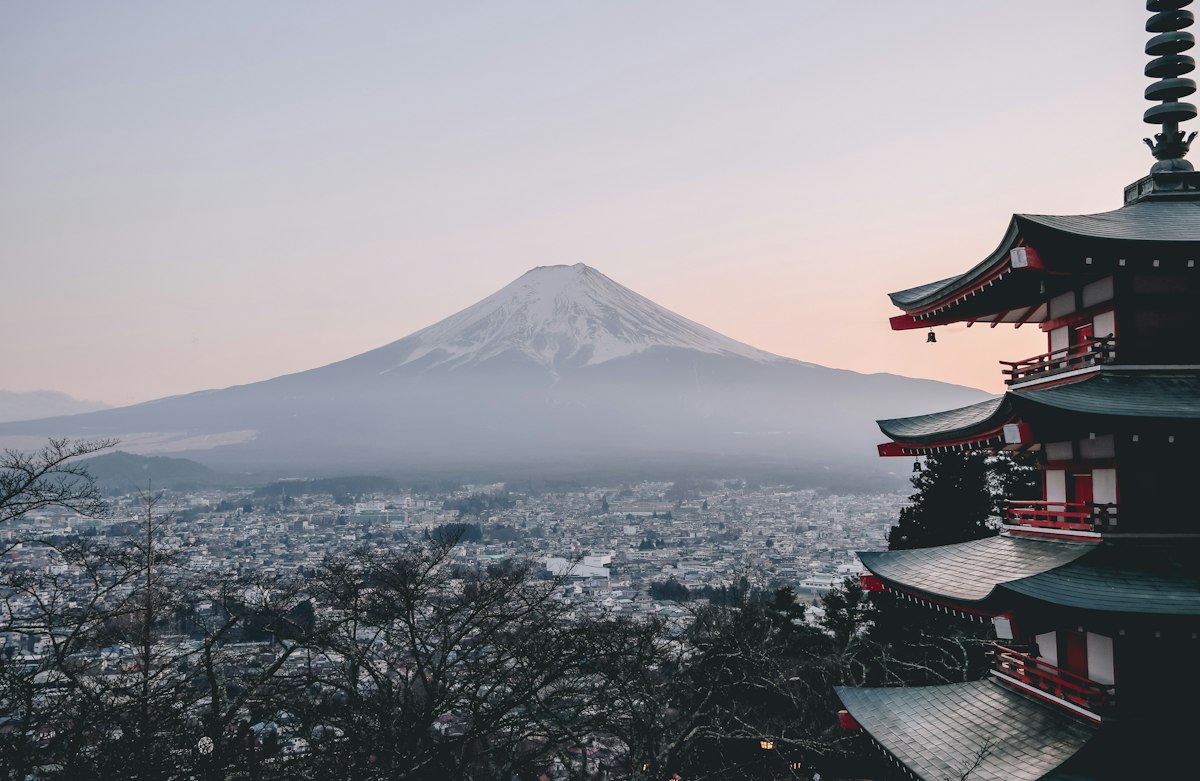
Main Structures
- Mountain Gate (山门)
Grand entrance with stone lions and ancient inscriptions - Heavenly King Hall (天王殿)
Houses statues of Maitreya Buddha and Four Heavenly Kings - Mahavira Hall (大雄宝殿)
Main hall with three golden Buddha statues (Ming Dynasty)
Height: 20 meters | Area: 1,200 square meters - Sacred Relic Hall (舍利殿) ⭐
Houses the sacred Buddha relics in a crystal stupa
Most sacred area of the temple - Scripture Library (藏经楼)
Ancient Buddhist texts and sutras
Architectural Features
- Style: Traditional Chinese Buddhist architecture
- Roof: Yellow glazed tiles (imperial designation)
- Pillars: Carved wooden pillars with dragon motifs
- Courtyards: Three main courtyards along central axis
- Gardens: Traditional Chinese garden with koi ponds
🙏 The Sacred Relics

What Are the Relics?
The temple houses śarīra (舍利) – crystalline remains believed to be from Buddha’s cremated body. These relics are:
- Stored in a crystal stupa in the Sacred Relic Hall
- Displayed to the public on special Buddhist holidays
- Considered extremely sacred by Buddhists worldwide
- One of only a few authentic Buddha relic sites in China
Viewing the Relics
- Regular days: Stupa visible from outside the hall
- Buddhist holidays: Special ceremonies with relic display
- Best times: Buddha’s Birthday (8th day of 4th lunar month), Nirvana Day
- Etiquette: Bow three times, maintain silence, no photography
“To see the relics is to accumulate immense merit in this lifetime.” – Buddhist saying
🎯 What to See & Do
Must-See Highlights
- Sacred Relic Hall – The temple’s most sacred space
- Ancient Stone Steles – Inscriptions from Tang and Song dynasties
- Temple Garden – Peaceful koi pond with lotus flowers
- Monk’s Quarters – Active monastery with resident monks
- Vegetarian Restaurant – Authentic Buddhist cuisine
Photography Guidelines
- ✅ Allowed: Temple exteriors, gardens, courtyards
- ❌ Not allowed: Inside Sacred Relic Hall, of Buddha statues (close-up), of monks
- 💡 Best time: Early morning (7-9 AM) for soft light
🍽️ Vegetarian Dining
Temple Vegetarian Restaurant
Experience traditional Buddhist vegetarian cuisine:
Set Lunch: ¥20-30 per person
Includes: Rice, 3 vegetable dishes, tofu, soup, pickles
Signature Dishes:
- Buddha’s Delight (罗汉斋) | ¥18
- Eight Treasures Tofu (八宝豆腐) | ¥22
- Lotus Root with Sticky Rice | ¥15
- Mushroom & Bamboo Shoot Stir-fry | ¥20
Hours: 11:00 AM – 1:00 PM (lunch only)
🚌 Getting There
From Ningbo City Center:
- Bus: Line 356 or 362 from Ningbo Railway Station | 50 minutes | ¥4
- Taxi/Didi: 25 minutes | ¥70-90
- Metro + Bus: Line 1 to Qiyuan Road, then bus 362 (35 minutes total)
Combined with Tiantong Temple:
- Distance between temples: 5 km
- Taxi: ¥20, 10 minutes
- Recommended: Visit both in one day trip
🗓️ Suggested Itinerary
Half-Day Spiritual Tour
- Morning: Arrive at Ashoka Temple (8:30 AM)
- Explore main halls and Sacred Relic Hall
- Walk through temple gardens
- Vegetarian lunch at temple (11:30 AM)
- Optional: Visit nearby Tiantong Temple
- Return to Ningbo city
Full-Day Buddhist Pilgrimage
- Morning: Ashoka Temple (2-3 hours)
- Lunch: Temple vegetarian cuisine
- Afternoon: Taxi to Tiantong Temple (10 minutes)
- Explore Tiantong Temple and forest
- Return to Ningbo (4:00 PM)
💡 Visitor Tips
- ✅ Dress code: Modest clothing (cover shoulders and knees)
- ✅ Best time: Weekdays, arrive before 9 AM
- ✅ Respect: Speak quietly, walk clockwise around stupas
- ✅ Incense: Free incense available at entrance
- ✅ Donations: Welcome but not required
- ❌ Avoid: Pointing at Buddha statues or relics
- 🙏 Bowing: Three bows before Buddha statues is customary
- 📿 Prayer beads: Available at temple shop (¥20-100)
📊 Visitor Information
| Address | Ashoka Temple Road, Yinzhou District, Ningbo |
| Phone | +86 574 8848 5288 |
| Entry Fee | Free (donations welcome) |
| Hours | 6:30 AM – 4:30 PM (daily) |
| Recommended Visit | 1.5-2 hours |
| Best For | Buddhism, pilgrimage, architecture, meditation |
| Accessibility | Mostly flat, wheelchair accessible |
Final Thoughts
Ashoka Temple offers a rare opportunity to connect with Buddhist history and spirituality. Whether you’re a practicing Buddhist, history enthusiast, or simply curious about Chinese culture, this sacred temple provides a peaceful retreat from modern life.
The presence of Buddha’s relics makes this temple especially significant. Even for non-Buddhists, the serene atmosphere, ancient architecture, and devoted monks create a deeply moving experience.
📧 Questions? Contact: whjinc@163.com
Tags: #AshokaTemple #Ningbo #BuddhistTemple #ChinaTravel #BuddhaRelics #Zhejiang #SpiritualTravel #CulturalHeritage