
Published: March 2026 | Reading Time: 9 minutes
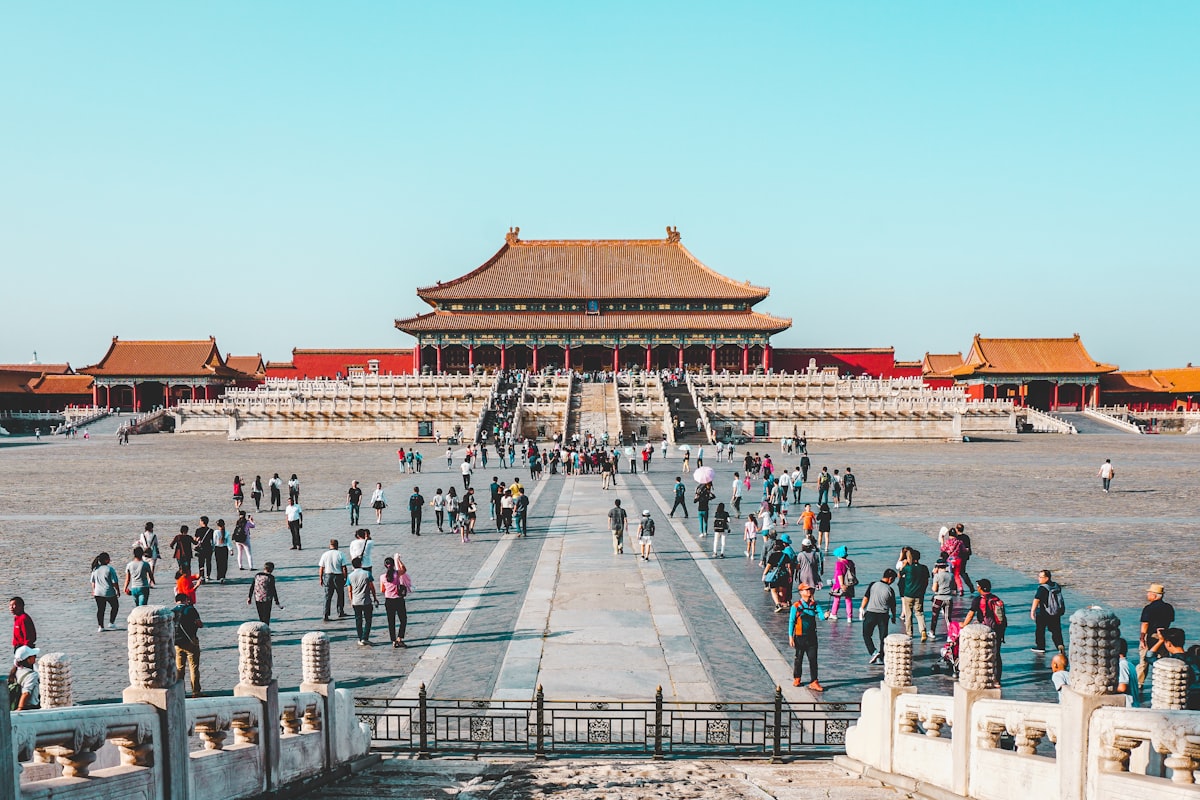
Introduction: Where Chinese Civilization Comes Alive
Nestled in the heart of Zhejiang Province, just 30 minutes from Hangzhou by high-speed rail, Shaoxing (绍兴) is one of China’s most culturally rich cities — yet it remains wonderfully under the radar for most international travelers. This 2,500-year-old city is the birthplace of China’s greatest modern writer, Lu Xun, the home of the legendary Shaoxing yellow wine, and a living museum of traditional water town architecture.
Unlike the tourist-heavy towns of Suzhou or Zhouzhuang, Shaoxing offers an authentic glimpse into ancient China without the crowds. Its canals, stone bridges, and whitewashed houses have changed little in centuries, and the pace of life here is refreshingly slow.
Quick Facts:
📍 Location: Zhejiang Province, Eastern China (30 min from Hangzhou)
📅 History: Founded 490 BC (over 2,500 years old)
🏛️ Famous For: Yellow wine, Lu Xun, water towns, calligraphy
🎫 Entry: Most attractions ¥40-80; old town streets are free
⏰ Best Time: March-May (spring) and September-November (autumn)
🚄 High-Speed Rail: 19 min from Hangzhou, 90 min from Shanghai
📜 Why Shaoxing? A City of Superlatives
Shaoxing holds a unique place in Chinese culture. Here are just a few reasons why this city deserves a spot on your China itinerary:
- City of Scholars: Produced more top scholars (Zhuangyuan) than almost any other Chinese city during the imperial era
- Birthplace of Lu Xun: China’s most influential modern writer, often called the “father of modern Chinese literature”
- Yellow Wine Capital: Shaoxing rice wine (黄酒) has been brewed here for over 2,500 years
- Calligraphy Mecca: The Orchid Pavilion (兰亭) is the sacred site of Chinese calligraphy
- Living Water Town: Ancient canals, stone bridges, and traditional architecture preserved in daily life
- UNESCO Creative City: Designated as a City of Gastronomy by UNESCO in 2022
🏛️ Top Attractions & What to See

1. Lu Xun’s Native Place (鲁迅故里) ⭐ Must-Visit
The top attraction in Shaoxing is the beautifully preserved hometown complex of Lu Xun (1881–1936), China’s most celebrated modern writer. The scenic area includes his childhood home, the famous Baicao Garden (Hundred Herb Garden), the Sanwei Study (Three-Flavor Study), and the ancestral Lu family residence.
Walking through these courtyards, you’ll step directly into the world described in Lu Xun’s beloved stories like “From Hundred Herb Garden to Three-Flavor Study” and “Kong Yiji.” The traditional architecture, stone-paved paths, and ancient wells are remarkably well preserved.
Entry: Free (reservation required via WeChat mini-program)
Time Needed: 2-3 hours
Tip: Visit early morning (before 9 AM) to avoid crowds
2. Shen Garden (沈园) — The Garden of Eternal Love
One of the most romantic spots in all of China, Shen Garden is a classical Song Dynasty garden famous for the tragic love story between the poet Lu You (陆游) and his cousin Tang Wan (唐婉). Their story of forced separation and lifelong longing is immortalized in two of the most famous poems in Chinese literature, which Lu You carved into the garden wall.
The garden itself is exquisite — with its lotus ponds, moon gates, winding corridors, and weeping willows. It’s especially beautiful during spring when the plum blossoms bloom.
Entry: ¥40 (daytime) / ¥80 (night show)
Time Needed: 1-2 hours
Tip: The evening performance “Shen Garden Love Story” is highly recommended
3. Cangqiao Straight Street (仓桥直街) — Ancient Canal Street
This 1.5-kilometer historic street is the soul of old Shaoxing. Lined with traditional whitewashed houses, stone bridges, and narrow waterways, Cangqiao Straight Street feels like stepping back in time. The street is home to local residents, small workshops, traditional teahouses, and street food vendors.
Walk along the canal, cross the ancient stone bridges, and watch the iconic Wupeng boats (乌篷船) — black-awning wooden boats that have been Shaoxing’s primary transport for centuries.
Entry: Free
Time Needed: 1-2 hours
Tip: Take a Wupeng boat ride (¥30-50) for the best perspective of the old town
4. Orchid Pavilion (兰亭, Lanting) — The Sacred Site of Calligraphy
The Orchid Pavilion is arguably the most important site in the history of Chinese calligraphy. In 353 AD, the great calligrapher Wang Xizhi gathered 41 scholars here for a poetry gathering along a winding stream. The resulting collection, known as the “Preface to the Poems Collected from the Orchid Pavilion” (兰亭集序), is considered the greatest work of calligraphy ever produced.
The scenic area features the original stream, pavilions, a calligraphy museum, and beautiful gardens. Even if you’re not a calligraphy enthusiast, the peaceful atmosphere and lush surroundings make it worthwhile.
Entry: ¥80
Time Needed: 1.5-2 hours
Tip: Take bus #3 from the city center (about 30 minutes)
5. East Lake (东湖) — The Miniature Landscape
East Lake is a stunning landscape garden carved from ancient stone quarries. The dramatic cliffs, deep grottoes, and emerald-green waters create a scene that looks like a traditional Chinese painting come to life. Take a boat through the narrow cliff passages — the experience is unforgettable.
Entry: ¥50 (includes boat)
Time Needed: 2 hours
Tip: The cliff reflections in the water are best photographed in the morning
6. Keyan Scenic Area (柯岩景区) — Stone Wonders
Known for its massive ancient stone Buddha carved into a cliff face and the remarkable Yun骨 Stone Bridge, Keyan combines natural beauty with ancient stone-carving artistry. The adjacent Jianhu Lake area offers peaceful boat rides through lotus-filled waterways.
Entry: ¥115 (combined ticket for Keyan + Jianhu)
Time Needed: 3-4 hours
🍷 Shaoxing Yellow Wine — A 2,500-Year Tradition
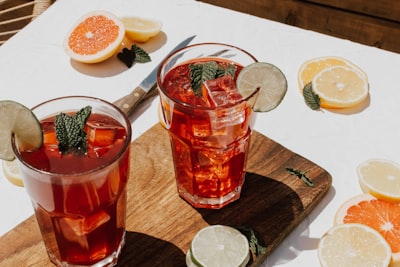
No visit to Shaoxing is complete without experiencing its most famous product: Shaoxing yellow wine (绍兴黄酒). This amber-colored rice wine has been brewed here for over 2,500 years and is considered one of the world’s oldest alcoholic beverages still in production.
Where to Experience Yellow Wine
- China Yellow Wine Museum (中国黄酒博物馆): Learn about the brewing process, see ancient tools, and enjoy tastings. Entry: ¥60
- Yellow Wine Town (黄酒小镇): A newly developed cultural district dedicated to all things yellow wine, with tasting rooms, workshops, and restaurants
- Local Wine Shops on Cangqiao Street: Buy aged wines directly from local producers — prices start from ¥20 per bottle
Wine Tasting Tips
- Hua Diao (花雕): The most premium variety, aged for 3-50+ years. Smooth, nutty, slightly sweet
- Jia Fan (加饭): “Added rice” wine — richer and more full-bodied
- Shan Niang (善酿): Double-fermented — sweeter and lower alcohol
- Xiang Xue (香雪): White variety — sweet and fragrant
“Shaoxing yellow wine is not just a drink — it’s a liquid time capsule, carrying 2,500 years of Chinese civilization in every sip.”
🍽️ Food & Dining — What to Eat in Shaoxing
Shaoxing cuisine is a key branch of Zhejiang cuisine, known for its emphasis on freshness, natural flavors, and the creative use of yellow wine in cooking. The city’s dishes fall into three main categories: “Mei” (霉) — fermented and mold-ripened foods, “Zui” (醉) — wine-marinated dishes, and “Jiang” (酱) — soy-sauce braised specialties.
Must-Try Dishes
1. Drunken Chicken (醉鸡)
Chicken steeped in Shaoxing wine — tender, aromatic, and subtly sweet. A cold appetizer that perfectly showcases the local wine.
2. Stinky Tofu (臭豆腐)
Shaoxing’s version is fermented with amaranth stalks, giving it a distinctive aroma and crispy exterior. Best found on Cangqiao Straight Street.
3. Braised Pork Belly (霉干菜扣肉)
Slow-braised pork belly with fermented mustard greens (Meigancai) — rich, savory, and deeply comforting. This is Shaoxing’s soul food.
4. Drunken Shrimp (醉虾)
Live freshwater shrimp marinated in yellow wine and served cold. A delicacy that requires an adventurous palate.
5. Oil-Fried Oysters (油爆虾)
Freshwater crayfish flash-fried and glazed with soy sauce — a popular street food and bar snack.
6. Shaoxing Rice Wine Soup (酒酿圆子)
Sweet glutinous rice balls in fermented rice wine soup — the perfect dessert after a meal.
Recommended Restaurants
Xianheng Hotel (咸亨酒店)
The most famous restaurant in Shaoxing, featured in Lu Xun’s stories. Try the yellow wine and traditional dishes in a setting straight out of early 20th-century China. | ¥80-150/person
Xunbaoji (寻宝记)
Highly rated local restaurant serving authentic Shaoxing cuisine with a modern twist. | ¥100-200/person
Street Food on Cangqiao Straight Street
The best way to sample local snacks — stinky tofu, rice wine ice cream, fermented tofu, and more. | ¥5-30 per item
📸 Photography Tips
- ✅ Best time: Early morning (7-9 AM) for soft light and fewer tourists
- ✅ Wupeng boats: Photograph from Cangqiao bridges at golden hour
- ✅ Shen Garden: Best in spring (March-April) when plum blossoms bloom
- ✅ East Lake: Morning light creates stunning cliff reflections
- ✅ Old town streets: Black-and-white photography works beautifully here
- ✅ Night scenes: Cangqiao Street is beautifully lit after 7 PM
- ❌ Avoid: Midday harsh light and weekends/holidays for crowd-free shots
🚄 Getting There
By High-Speed Rail (Recommended):
- From Hangzhou: 19 minutes, ¥20-30, trains every 15-20 minutes
- From Shanghai Hongqiao: 90 minutes, ¥70-120, trains every 20-30 minutes
- From Ningbo: 30 minutes, ¥25-40
- Station: Shaoxing North (绍兴北站) — take a taxi or bus to the old town (20 min)
By Bus:
- Airport shuttle from Hangzhou Xiaoshan Airport (1 hour, ¥30)
- Long-distance buses from major Zhejiang cities
Getting Around Shaoxing:
- Taxi/Didi: Most convenient, ¥10-30 for city trips
- Public Bus: ¥2 per ride, covers all major attractions
- Bicycle: Shared bikes available throughout the city
- Wupeng Boat: ¥30-50, unique way to see the old town from the water
🗓️ Suggested Itineraries
One-Day Trip from Hangzhou (Perfect for a Quick Visit)
- 8:00 AM: High-speed rail from Hangzhou to Shaoxing
- 9:00 AM: Lu Xun’s Native Place (2-3 hours)
- 12:00 PM: Lunch at Xianheng Hotel
- 1:30 PM: Cangqiao Straight Street & Wupeng boat ride
- 3:00 PM: Shen Garden
- 5:00 PM: China Yellow Wine Museum
- 7:00 PM: Dinner and evening stroll along the old canal
- 8:30 PM: Return train to Hangzhou
Two-Day In-Depth Exploration (Recommended)
Day 1 — Culture & Old Town:
- Morning: Lu Xun’s Native Place
- Lunch: Xianheng Hotel
- Afternoon: Cangqiao Straight Street, Bazi Bridge, ancient water lanes
- Evening: Shen Garden night show, dinner at Xunbaoji
Day 2 — Nature & Wine:
- Morning: East Lake (cliff scenery and boat ride)
- Lunch: Local restaurant near East Lake
- Afternoon: Orchid Pavilion (calligraphy history) or Keyan Scenic Area
- Late Afternoon: Yellow Wine Town or Yellow Wine Museum
- Evening: Farewell dinner with yellow wine tasting
💡 Visitor Tips
- ✅ Best seasons: Spring (March-May) for blossoms and autumn (September-November) for comfortable weather
- ✅ WeChat Pay: Essential — almost all vendors and attractions accept it
- ✅ Lu Xun reservation: Book the free ticket via WeChat mini-program in advance
- ✅ Comfortable shoes: Stone-paved streets and lots of walking
- ✅ Yellow wine: Start with Hua Diao aged 5+ years for the best introduction
- ✅ Language: English signage is limited — download a translation app
- ❌ Avoid: Chinese national holidays (May 1, October 1-7) — extremely crowded
- ❌ Don’t rush: Shaoxing rewards slow exploration — plan at least 2 days
📊 Visitor Information
| Address | Shaoxing City, Zhejiang Province, China |
| Population | 5.3 million (city proper: ~1 million) |
| Language | Mandarin Chinese (Shaoxing dialect locally) |
| Currency | Chinese Yuan (RMB/CNY) |
| Climate | Subtropical monsoon — mild winters, hot humid summers |
| Average Budget | ¥300-500/day (mid-range) |
| Recommended Stay | 1-2 days (can be done as a day trip from Hangzhou) |
| Best For | Culture, history, food, wine, photography, literature |
Nearby Destinations
- Hangzhou: 19 min by high-speed rail — West Lake, Lingyin Temple
- Ningbo: 30 min by high-speed rail — Old Bund, Tianyi Pavilion
- Shanghai: 90 min by high-speed rail — The Bund, Yu Garden
- Putuoshan: 2 hours by bus — Buddhist island pilgrimage site
📧 Questions? Contact: whjinc@163.com
Tags: #Shaoxing #ChinaTravel #Zhejiang #LuXun #YellowWine #WaterTown #ChineseCulture #ShaoxingWine #AncientChina #TravelGuide