
Published: March 2026 | Reading Time: 10 minutes
Introduction: Zhejiang’s Best-Kept Secret
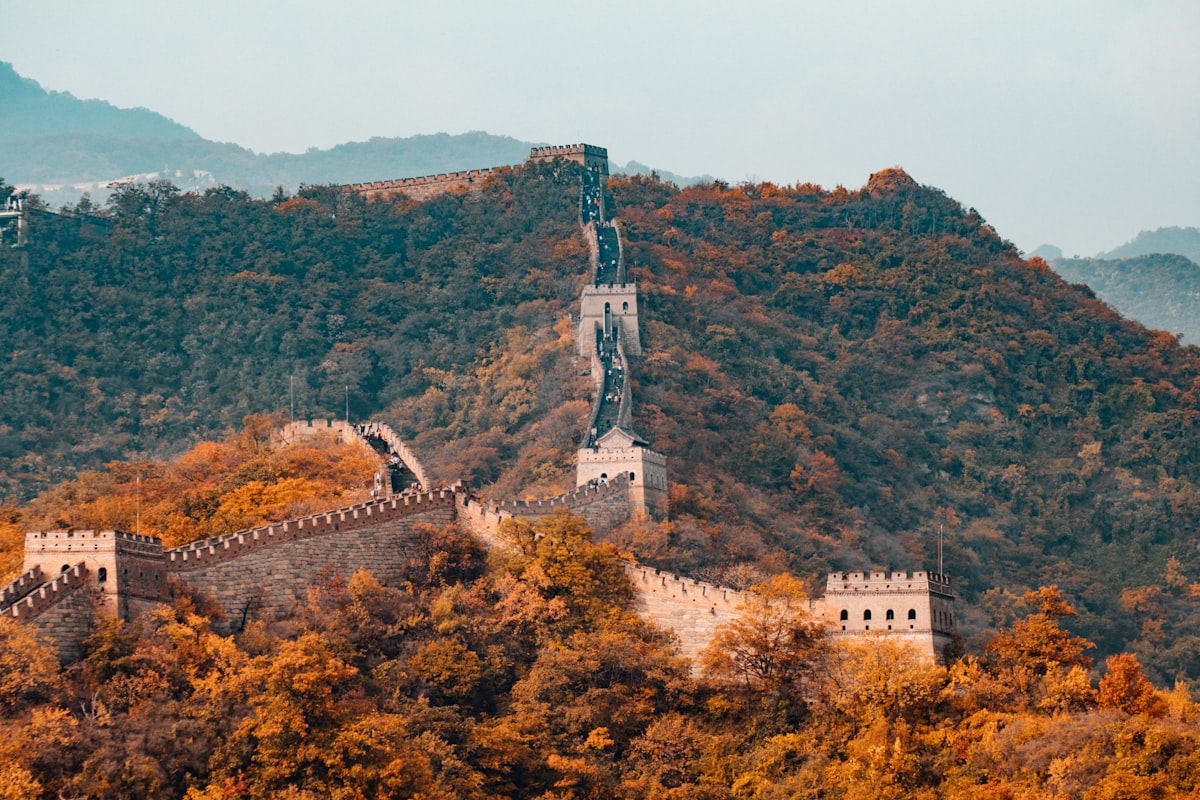
Sandwiched between Ningbo to the north and Wenzhou to the south, Taizhou (台州) is one of Zhejiang Province’s most underrated travel destinations. While tourists flock to Hangzhou’s West Lake and Ningbo’s Old Bund, Taizhou quietly offers some of the most spectacular scenery in eastern China — from the otherworldly volcanic peaks of Shenxianju to the ancient Jiangnan Great Wall, from the sacred birthplace of Chinese Tiantai Buddhism to a coastline dotted with fishing villages and pristine islands.
The name “Taizhou” literally means “peaceful prefecture,” and that’s exactly the vibe this city delivers. It’s a place where you can hike through cloud-wrapped mountains in the morning, walk along a 1,600-year-old stone wall at midday, and feast on some of the freshest seafood in China by evening — all without fighting through crowds.
Quick Facts:
📍 Location: Central-south Zhejiang Province, between Ningbo and Wenzhou
🏔️ Geography: “Seven parts mountain, one part water, two parts farmland” — dramatic terrain
🏛️ Famous For: Shenxianju volcanic peaks, Jiangnan Great Wall, Tiantai Mountain (Buddhist birthplace), seafood
🎫 Entry: Shenxianju ¥110-165; Jiangnan Great Wall ¥65; Tiantai Guoqing Temple ¥5-15; Changyu Yudong ¥60
⏰ Best Time: March-May (spring) and September-November (autumn)
🚄 High-Speed Rail: 1 hour from Ningbo, 1.5 hours from Hangzhou, 3 hours from Shanghai
📜 Why Taizhou? A Destination of Superlatives
Taizhou punches well above its weight when it comes to attractions. Here’s what makes this city special:
- Shenxianju — “Abode of the Immortals”: China’s largest volcanic rhyolite landform, with towering pillars and cloud-shrouded peaks that look straight out of a fantasy movie
- Birthplace of Tiantai Buddhism: Tiantai Mountain is where the Tiantai school of Buddhism was founded in the 6th century — one of the most influential Buddhist sects in East Asia
- Jiangnan Great Wall: A 1,600-year-old ancient wall that predates the Great Wall of Beijing and served as its blueprint
- Changyu Yudong: A vast underground network of stone caverns, some of the largest in China, with a 1,500-year mining history
- Seafood Capital: Taizhou’s Sanmen Bay is one of China’s richest fishing grounds — the local green crab is legendary
- UNESCO Heritage Connection: Tiantai Mountain’s Guoqing Temple is recognized as a UNESCO World Heritage site (as part of “Sacred Mountains of China”)
🏛️ Top Attractions & What to See
1. Shenxianju Scenic Area (神仙居) — The Abode of the Immortals ⭐ Must-Visit
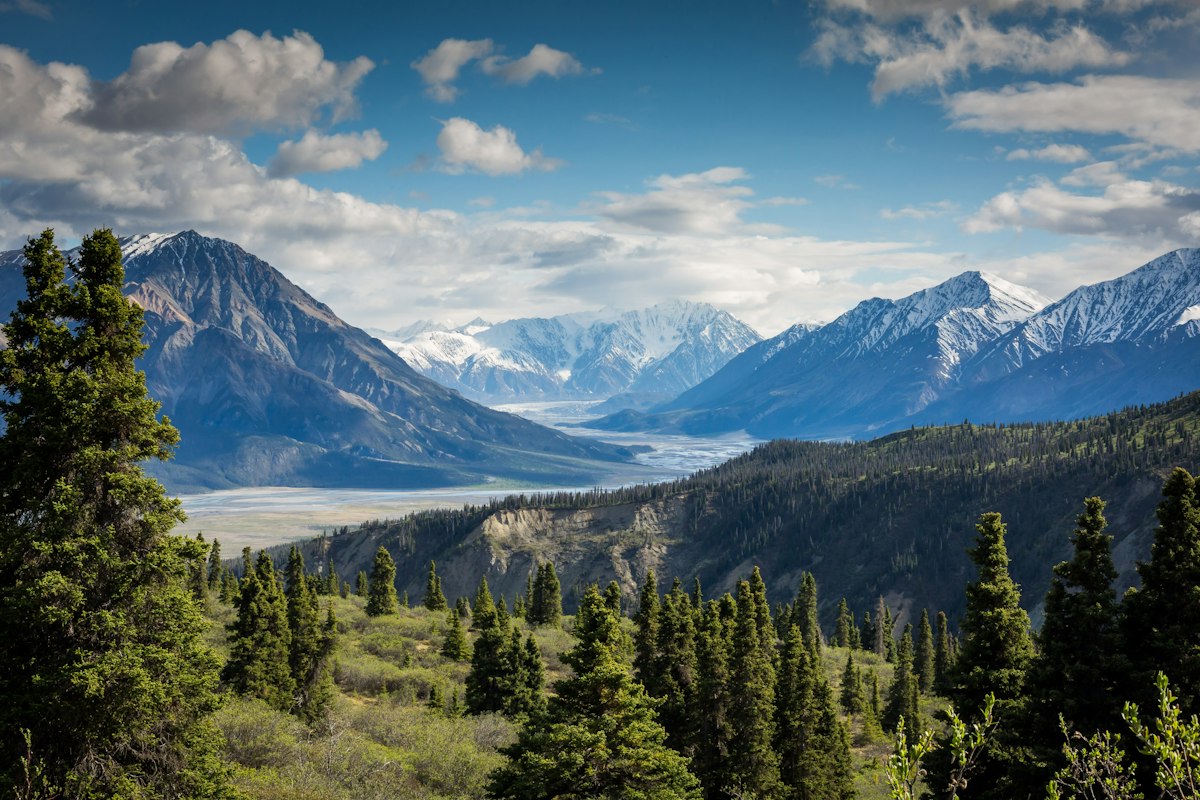
If there’s one reason to visit Taizhou, this is it. Shenxianju (literally “Residence of the Immortals”) is a breathtaking natural wonder featuring the world’s largest volcanic rhyolite landform. Towering stone pillars, sheer cliffs, deep gorges, and a sea of clouds create a landscape so surreal it inspired the scenery in the movie Avatar and countless Chinese fantasy films.
The scenic area has been extensively developed with world-class infrastructure:
- South Gate Route (Recommended): Take the Nantian Cableway up → Foying Lianyun (Buddha Shadow Connecting Clouds) → Pantao Garden (Flat Peach Garden) → Niubei Mountain (Ox Back Mountain) → Ruyi Bridge (the iconic glass-bottomed bridge) → take cableway down from North Gate. This is the no-backtracking route.
- Ruyi Bridge (如意桥): The star attraction — a stunning 100-meter glass-bottomed bridge suspended between two peaks at 1,000m elevation. Not for the faint-hearted!
- Multiple Viewing Platforms: Several cliff-edge platforms offer dizzying views of the valley below
- Flower Terraces: Seasonal flower fields add splashes of color to the dramatic landscape
Entry: ¥110 (basic) / ¥165 (with cableways); Ruyi Bridge extra ¥20
Time Needed: 4-6 hours
Tip: Visit on a clear day after rain — the cloud formations are spectacular. Start early (before 8 AM) to avoid crowds
2. Tiantai Mountain & Guoqing Temple (天台山·国清寺) — The Birthplace of Tiantai Buddhism
Tiantai Mountain is one of China’s most sacred mountains and the birthplace of the Tiantai school of Buddhism, founded by Master Zhiyi in the 6th century. This Buddhist sect profoundly influenced Buddhism across China, Japan, and Korea.
The crown jewel is the Guoqing Temple (国清寺), founded in 598 AD. This magnificent temple complex is set at the foot of the mountain amid ancient forests, bamboo groves, and a tranquil stream. Key features include:
- The Sakyamuni Pagoda: A 1,400-year-old brick pagoda — the oldest structure in the temple complex
- The Ancient Plum Tree: A 1,400-year-old plum tree said to have been planted by the temple’s founder — still blooms every spring
- Guanyin Hall: Housing a beautiful bronze Guanyin statue
- Mountain Trails: Hiking trails lead to waterfalls, caves, and panoramic viewpoints
Unlike many commercialized temples in China, Guoqing Temple retains a genuine spiritual atmosphere. Monks still live and practice here, and there’s no entrance fee for the temple itself (only a small parking fee).
Entry: Guoqing Temple free (donation appreciated); Tiantai scenic areas ¥5-45 each
Time Needed: Half to full day
Tip: The temple is most atmospheric in the early morning when mist hangs among the ancient trees
3. Jiangnan Great Wall, Linhai (江南长城) — The Great Wall of the South
The Jiangnan Great Wall in Linhai (Taizhou’s county-level city) is one of China’s most impressive and least-known ancient fortifications. Built during the Jin Dynasty (around 400 AD) and expanded over 1,600 years, this 6,000-meter stone wall snakes along the crest of Beigu Mountain, overlooking the Lingjiang River and the old city below.
What makes this wall extraordinary:
- It predates the Beijing Great Wall: The Jiangnan Wall is over 1,000 years older than the Ming Dynasty sections most tourists visit in Beijing
- It served as a blueprint: General Qi Jiguang, who later fortified the Beijing Great Wall, first perfected his defensive techniques here
- Stunning views: From the wall’s highest point (Bao Ta Tower), you can see the entire old city, the river, and the surrounding mountains
- East Lake (东湖): A beautiful park at the foot of the wall, with lotus ponds, traditional pavilions, and willow-lined paths
Entry: ¥65 (wall only) / ¥70 (wall + East Lake combo)
Time Needed: 2-3 hours
Tip: The initial climb up 200 steep steps is the hardest part — take it slowly. The rest of the wall walk is moderate
4. Ziyang Street, Linhai (紫阳街) — 1,000-Year-Old Living Street
At the foot of the Jiangnan Great Wall lies Ziyang Street, one of the best-preserved ancient commercial streets in Zhejiang. This 1,080-meter stone-paved street has been the commercial heart of Linhai for over 1,000 years and is still home to local residents, traditional shops, and time-honored eateries.
Walking down Ziyang Street is like strolling through a living museum. You’ll find traditional pharmacies, old teahouses, woodblock print shops, and dozens of food stalls selling local specialties. The street is lined with Ming and Qing Dynasty architecture, and the original stone paving is still intact.
Entry: Free
Time Needed: 1-2 hours
Tip: Come hungry — this is the best place in Taizhou to sample local snacks
5. Changyu Yudong (长屿硐天) — The Underground Stone Cathedral
Located in Wenling (Taizhou’s coastal county-level city), Changyu Yudong is a vast network of ancient stone caverns created by over 1,500 years of continuous mining. The caverns are among the largest and most spectacular in China, with soaring ceilings, underground lakes, and remarkable acoustics.
Highlights include:
- Guanyin Cave: A massive cavern housing a 20-meter stone Guanyin statue
- Underground Concert Hall: A cavern with such perfect acoustics that concerts are regularly performed here
- Stone Buddha Grottoes: Buddhist carvings inside the cavern walls
- Lotus Cave: A cavern with a stunning underground lake
The scale of these man-made caverns is hard to comprehend — some chambers are large enough to fit entire buildings.
Entry: ¥60-120 depending on the route
Time Needed: 2-3 hours
Tip: Bring a light jacket — the underground temperature is significantly cooler than outside
6. Dafo Temple, Xianju (仙居大佛寺) — The Great Buddha of Xianju
Near Shenxianju, the Dafo Temple (Great Buddha Temple) features an enormous stone Buddha statue carved into a cliff face. The temple complex is set in a peaceful mountain valley and offers a quieter, more contemplative experience compared to the bustling Shenxianju scenic area.
Entry: ¥30-50
Time Needed: 1-2 hours
7. Taizhou Coastal Areas — Beaches & Islands
Taizhou’s coastline stretches along the East China Sea, offering several worthwhile coastal destinations:
- Shitang Town (石塘镇): A picturesque stone-built fishing village in Wenling, famous for its distinctive stone houses, narrow lanes, and stunning ocean views. One of the first places in mainland China to see the sunrise each New Year.
- Dachen Islands (大陈岛): A group of islands off Taizhou’s coast with clear water, rocky shores, and a fascinating Cold War history. Accessible by ferry from Taizhou port.
- Sanmen Bay (三门湾): Famous for its green crabs and oyster farming — more of a culinary destination than a beach resort.
🍽️ Food & Dining — Taizhou’s Culinary Treasures
Taizhou cuisine is a delicious branch of Zhejiang cooking, known for its emphasis on fresh ingredients — particularly seafood — and a philosophy of letting natural flavors shine. The city’s location between mountains and sea gives it an extraordinary range of ingredients to work with.
Must-Try Dishes
1. Sanmen Green Crab (三门青蟹)
The crown jewel of Taizhou cuisine. Sanmen Bay green crabs are considered among the best crabs in China — the meat is firm, sweet, and incredibly flavorful. Steamed or braised, this is a must-eat dish.
2. Taizhou Seafood Platter (台州海鲜拼盘)
With access to both the East China Sea and rich inland waters, Taizhou offers an incredible variety of seafood. A typical platter might include mantis shrimp, clams, sea snails, fish, and seasonal shellfish.
3. Taizhou Macaroni (台州麦虾)
Despite the name, this isn’t pasta — it’s a unique local dish made from a flour batter poured directly into boiling soup, creating irregular, chewy “noodle” pieces. Served in a rich broth with clams, shrimp, and vegetables.
4. Linhai Beggar’s Chicken (临海叫花鸡)
A whole chicken marinated in local spices, wrapped in lotus leaves, encased in clay, and slow-baked. The result is incredibly tender, aromatic meat that falls off the bone.
5. Egg Wrapped Spring Rolls (蛋清羊尾)
A Taizhou specialty dessert — sweet red bean paste coated in whipped egg white and deep-fried until golden. Crispy on the outside, fluffy and sweet inside.
6. Taizhou Rice Cakes (台州年糕)
Soft, chewy rice cakes stir-fried with vegetables, meat, or seafood — a staple comfort food across Taizhou.
7. Sea Snails (海螺)
Fresh sea snails cooked with garlic and chili — a popular bar snack and one of Taizhou’s most addictive dishes.
Where to Eat
Ziyang Street, Linhai:
The best place to sample traditional Taizhou snacks and local specialties. Dozens of time-honored shops line the ancient street. | ¥10-50 per dish
Shitang Fishing Village, Wenling:
Fresh-from-the-ocean seafood at family-run restaurants overlooking the harbor. | ¥80-200/person
Taizhou City Center (Jiaojiang):
Modern restaurants serving both traditional Taizhou cuisine and general Chinese fare. | ¥60-150/person
Shenxianju Area Restaurants:
Mountain-style cuisine featuring local ingredients — bamboo shoots, mountain vegetables, and freshwater fish. | ¥50-100/person
📸 Photography Tips
- ✅ Shenxianju peaks: Best photographed in the early morning when clouds swirl around the pillars — arrive by 7 AM
- ✅ Ruyi Bridge: The glass bridge at golden hour creates stunning silhouette shots
- ✅ Jiangnan Great Wall: Panoramic views from Bao Ta Tower — best in late afternoon
- ✅ Ziyang Street: Street photography paradise — traditional architecture, local life, food vendors
- ✅ Guoqing Temple: The ancient pagoda and plum tree are iconic — misty mornings are magical
- ✅ Shitang fishing village: Stone houses against the ocean — especially beautiful at sunrise
- ✅ Changyu Yudong: The underground caverns offer dramatic light-and-shadow compositions
- ❌ Avoid: Midday at Shenxianju (harsh light); weekends at popular spots (crowds)
🚄 Getting There
By High-Speed Rail (Recommended):
- From Hangzhou: 1.5 hours, ¥70-100, frequent departures
- From Ningbo: 1 hour, ¥40-60, frequent departures
- From Shanghai: 3 hours, ¥130-180, multiple daily trains
- From Wenzhou: 1 hour, ¥40-60
- Station: Taizhou Station (Jiaojiang) — main station; also Taizhou West (Lintai) for Linhai access
By Car:
- From Hangzhou: 2.5 hours via highway
- From Ningbo: 2 hours via highway
- From Shanghai: 4 hours via highway
By Air:
- Taizhou Luqiao Airport (HYN): Domestic flights from Beijing, Shanghai, Guangzhou, Shenzhen, Chengdu, and other major cities
Getting Around Taizhou:
- Taxi/Didi: Available in all urban areas, ¥10-50 for city trips
- Public Bus: Covers major attractions, ¥2-10 per ride
- Rental Car: Highly recommended — Taizhou’s attractions are spread across several counties
- High-Speed Rail: Useful for traveling between Taizhou’s different county areas (Jiaojiang, Linhai, Xianju, Tiantai, Wenling)
🗓️ Suggested Itineraries
Two-Day Express (from Hangzhou or Ningbo)
- Day 1: Morning high-speed rail to Taizhou → Shenxianju (full day, 4-6 hours) → evening in Xianju county
- Day 2: Morning at Tiantai Mountain & Guoqing Temple → afternoon return train
Three-Day Classic (Recommended)
Day 1 — Natural Wonders:
- Morning: Arrive in Taizhou → drive to Shenxianju
- Full day: Shenxianju Scenic Area (cableways, Ruyi Bridge, viewing platforms)
- Evening: Stay in Xianju county or Tiantai county
Day 2 — Buddhist Heritage:
- Morning: Tiantai Mountain & Guoqing Temple
- Afternoon: Drive to Linhai → Jiangnan Great Wall & East Lake
- Evening: Explore Ziyang Street, dinner on the ancient street
Day 3 — Coastal Culture:
- Morning: Changyu Yudong (stone caverns) in Wenling
- Afternoon: Shitang fishing village — stone houses, ocean views, seafood lunch
- Evening: Return to Taizhou or continue to next destination
Five-Day Deep Exploration
Days 1-3 as above, plus:
- Day 4: Dafo Temple in Xianju → explore Xianju county’s rural villages and bamboo forests
- Day 5: Ferry to Dachen Islands for island exploration, or relax at a coastal hot spring → departure
💡 Visitor Tips
- ✅ Best seasons: Spring (March-May) for wildflowers and comfortable hiking; autumn (September-November) for clear skies and seafood season
- ✅ Shenxianju cableway: Book tickets online in advance during peak season — queues can be long
- ✅ Jiangnan Great Wall: Wear comfortable shoes with good grip — the stone steps can be slippery
- ✅ Guoqing Temple: Dress modestly; speak quietly; it’s an active place of worship
- ✅ Seafood season: September-November is the best time for Sanmen green crabs
- ✅ WeChat Pay: Widely accepted, but carry some cash for smaller vendors and temples
- ✅ Layered clothing: Mountain areas (Shenxianju, Tiantai) can be 5-10°C cooler than the coast
- ✅ Rain gear: Taizhou gets significant rainfall, especially in June (plum rain season) and August-September (typhoon season)
- ❌ Avoid: Chinese national holidays (May 1, October 1-7) — Shenxianju gets extremely crowded
- ❌ Avoid: Typhoon season (August-September) — check forecasts before outdoor activities
📊 Visitor Information
| Location | Central-south Zhejiang Province, East China |
| Area | 10,050 km² (mountainous terrain) |
| Population | 6.6 million |
| Language | Mandarin Chinese (Taizhou dialect locally) |
| Currency | Chinese Yuan (RMB/CNY) |
| Climate | Subtropical monsoon — mild winters, hot humid summers |
| Average Budget | ¥300-600/day (mid-range) |
| Recommended Stay | 2-3 days (5 days for deep exploration) |
| Best For | Mountain scenery, ancient walls, Buddhist culture, seafood, photography, hiking |
Nearby Destinations
- Ningbo: 1 hour by HSR — Old Bund, Tianyi Pavilion, Xiangshan beaches
- Hangzhou: 1.5 hours by HSR — West Lake, Lingyin Temple, Longjing Tea Village
- Wenzhou: 1 hour by HSR — Yandang Mountain, Nanji Islands
- Shaoxing: 2 hours by HSR — Lu Xun’s hometown, Yellow Wine culture
- Shanghai: 3 hours by HSR — The Bund, Yu Garden, French Concession
“Taizhou is Zhejiang’s best-kept secret — a place where immortals dwell in volcanic peaks, ancient walls guard mountain cities, and the seafood is as fresh as the morning tide. It’s the China that guidebooks forgot, and that’s exactly what makes it perfect.”
📧 Questions? Contact: whjinc@163.com
Tags: #Taizhou #Zhejiang #ChinaTravel #Shenxianju #TiantaiMountain #JiangnanGreatWall #GuoqingTemple #ChangyuYudong #Seafood #Buddhism #AncientWall #MountainScenery #TravelGuide